Ribeye vs Striploin: Choosing Your Cut
Selecting a steak at the butcher counter or in a restaurant often comes down to a choice between two popular cuts: the ribeye and the striploin. Both are highly regarded for their beefy flavor and satisfying texture, yet they offer different experiences. Understanding the differences in marbling, tenderness, and how they respond to heat can help you decide which one better fits your cooking approach and taste preferences. This article provides a detailed comparison to inform your selection process.
By examining the anatomical origins, fat distribution, and typical preparation techniques for each cut, you can gain a clearer picture of their unique characteristics. While personal preference plays the ultimate role, grasping these factors allows you to make a more confident choice. Whether you are grilling, pan-searing, or even roasting, each cut has qualities that may align with your intended method. Let us explore these aspects without endorsing one over the other, but rather by presenting the facts so you can decide for yourself.
Anatomy and Location
The ribeye comes from the rib section of the beef, specifically the longissimus dorsi muscle, which runs along the upper back between the sixth and twelfth ribs. This muscle is not heavily exercised, contributing to its reputation for being tender and juicy. The striploin, also known as the New York strip or sirloin in some regions, is located just behind the rib section on the short loin, specifically the longissimus dorsi and multifidus muscles, continuing from the rib area toward the hip. While both cuts share the same primary muscle, the striploin is further from the shoulder and receives slightly more use, resulting in a somewhat firmer texture.
The location also influences the fat content. Ribeye cuts are typically surrounded by a rich cap of fat and have extensive intramuscular fat, known as marbling, which melts during cooking to baste the meat from within. Striploin generally has a more moderate amount of marbling and a distinct fat cap on one edge, but the interior tends to be leaner than the ribeye. This difference in fat distribution not only affects flavor and moisture but also how each cut behaves under high heat. Understanding this anatomical background sets the stage for appreciating their culinary contrasts.
Marbling and Flavor
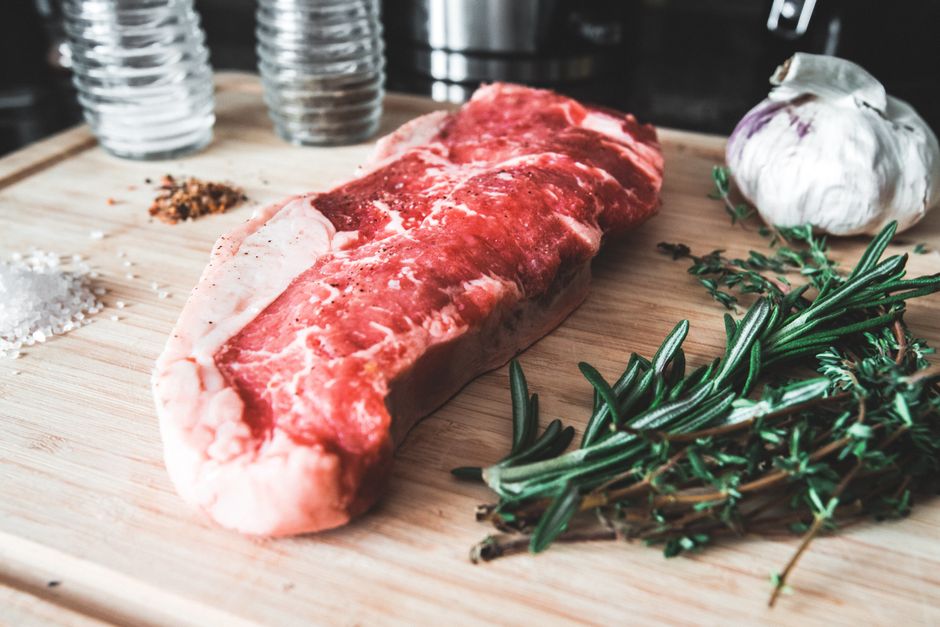
Marbling refers to the white specks of fat that are interspersed within the lean muscle. In ribeye steaks, marbling is often abundant and easily visible, contributing to a rich, buttery taste and a succulent mouthfeel. This high level of intramuscular fat means that during cooking, the fat melts, keeping the steak moist and imparting a beefy, savory flavor that many find appealing. The striploin, while having decent marbling, typically shows less variation and density compared to the ribeye, resulting in a flavor that is still distinctly beefy but perhaps slightly less decadent.
The flavor profile of both cuts is influenced not only by the fat but also by the cooking method and seasoning. However, the inherent differences are noticeable: ribeye tends to be more indulgent due to its fatty richness, whereas striploin might offer a cleaner, more straightforward beef flavor. Some steak enthusiasts argue that the fat in ribeye enhances flavor more effectively, while others prefer the leanness of striploin for a more focused taste. Ultimately, your preference for buttery richness versus a firmer, slightly less fatty bite will guide your choice.
Tenderness and Texture
Tenderness is a key factor in choosing a steak. The ribeye’s location directly from the rib primal is not weight-bearing to the same degree as other muscles, which results in a high degree of tenderness. The abundant marbling further contributes to a soft, almost melt-in-your-mouth texture when cooked to the right temperature. Striploin, though still tender, comes from a muscle that is more active due to its proximity to the loin area, which supports more of the animal’s weight. This activity leads to a slightly denser, more substantial chew without being tough, often described as having a pleasant bite.
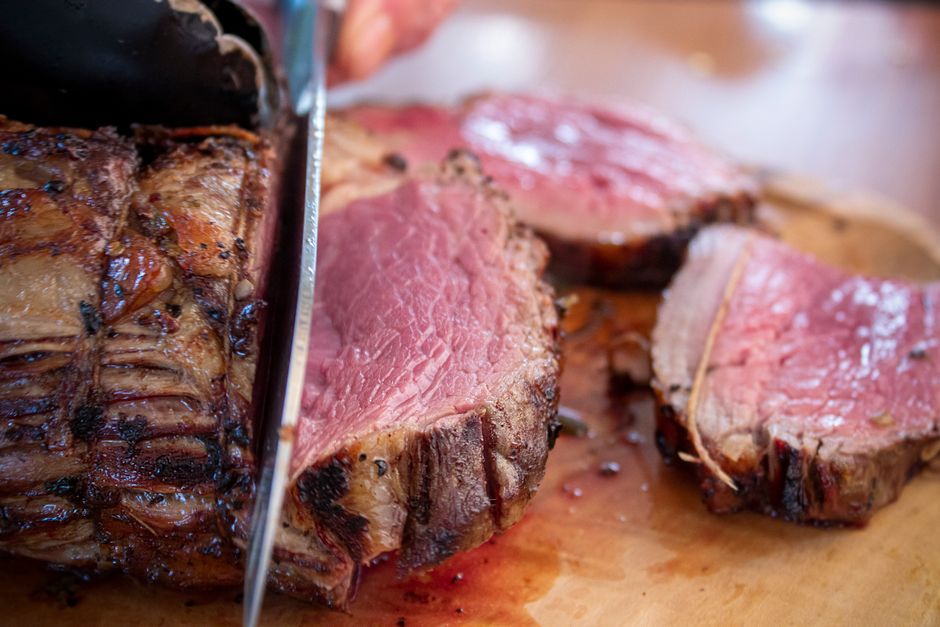
Texture also varies with the degree of doneness. A ribeye cooked to medium-rare offers a tender, juicy experience with the fat well-rendered. If cooked beyond medium, the fat may still keep it moist, but the texture can become softer, potentially losing its structure. Striploin, with its natural firmness, holds up well even when cooked to medium or medium-well, retaining a satisfying bite. Those who prefer a steak that remains intact and chewy might favor striploin, while those who enjoy a butter-soft texture may lean toward ribeye.
Cooking Methods and Suitability
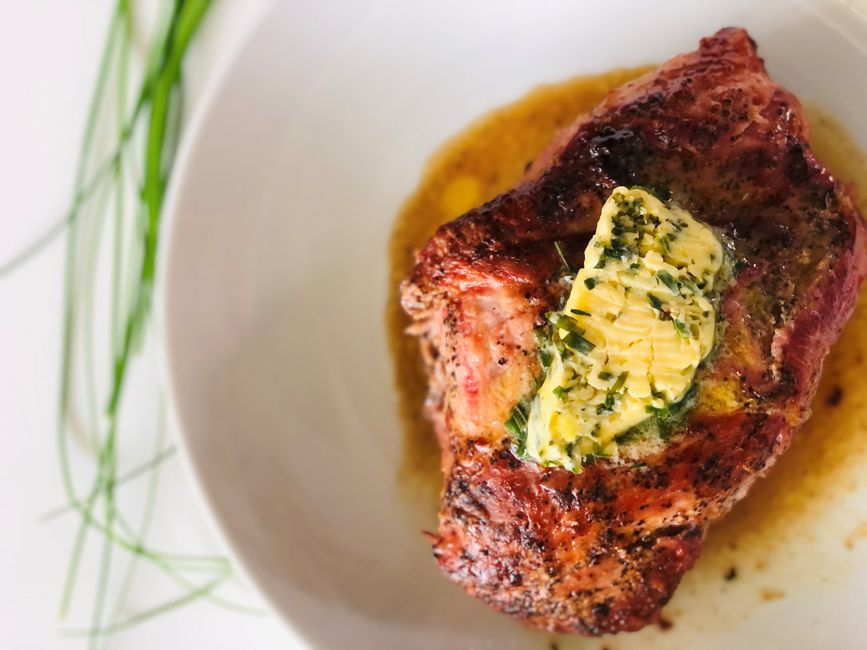
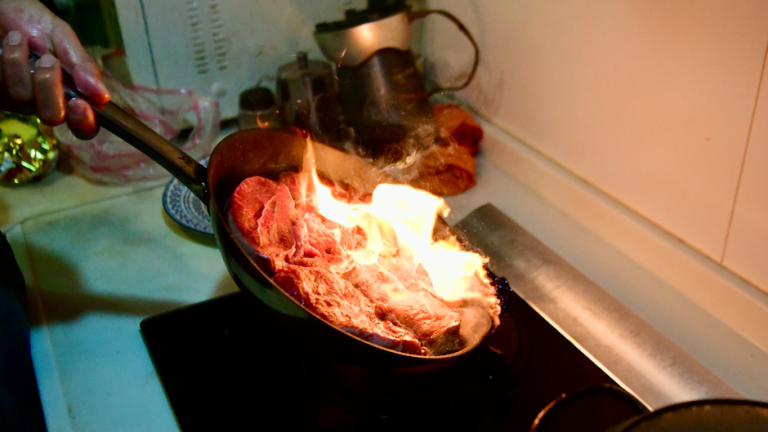
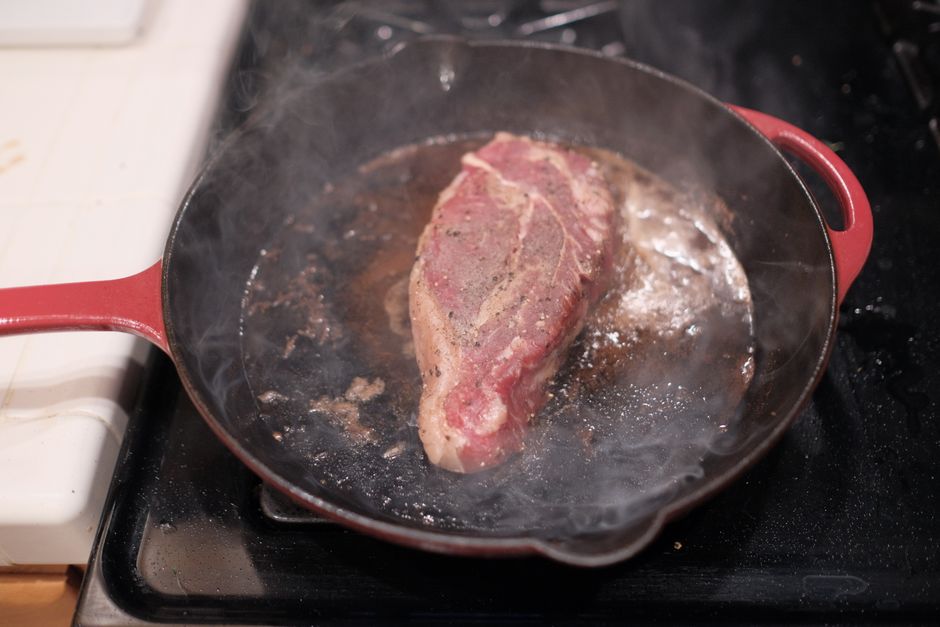
The composition of each cut dictates which cooking methods are most appropriate. Ribeye, with its high fat content, is well-suited for high-heat methods such as grilling or pan-searing. The fat melts quickly, creating a flavorful crust and preventing the interior from drying out. Because of the generous marbling, ribeye is forgiving even if slightly overcooked, though it is best enjoyed rare to medium to preserve its juiciness. A quick sear on a cast-iron skillet or over open flames is a common and effective approach to achieve a delicious result.
Striploin, being leaner, benefits from similar high-heat methods but requires careful attention to avoid overcooking, as it can dry out more quickly. However, its shape and consistent thickness make it an excellent candidate for reverse searing or sous vide, allowing for precise temperature control before finishing with a high-heat sear. These methods help maintain its tenderness and ensure an even doneness throughout. Additionally, both cuts can be roasted or broiled, but the choice of method should account for the desired outcome and your level of experience in the kitchen.
Selecting Based on Cooking Style
When deciding between ribeye and striploin, consider how you typically cook and what you prioritize in a steak experience. If you enjoy quick, high-heat cooking methods and appreciate a rich, buttery flavor with less worry about overcooking, ribeye might be your go-to. Its generous fat content provides a bold taste and a tender texture that can make even a simpler preparation feel indulgent. On the other hand, if you prefer a leaner cut that allows the beef flavor to shine without being overshadowed by fat, and you have the time and inclination to apply more precise temperature control, striploin could be the better fit.
Additionally, think about your dining companions. Ribeye is often perceived as a special treat due to its richness, while striploin might appeal to those seeking a more balanced steak. Budget is another factor: ribeye is typically more expensive because of its higher demand and richer marbling, whereas striploin often offers a more economical option without compromising on quality. Ultimately, the best choice depends on your individual taste, cooking preferences, and the occasion. By understanding the distinct characteristics of each cut, you can make an informed selection that aligns with your needs.
Making an Informed Choice
In summary, the ribeye and striploin offer distinct yet equally enjoyable steak experiences. Ribeye delights with its abundant marbling, rich flavor, and melt-in-your-mouth tenderness, making it a favorite for those who appreciate indulgence. Striploin, while leaner, provides a firm, satisfying texture and a clean beefy taste that can be beautifully enhanced with precise cooking techniques. Rather than declaring a universal winner, acknowledging the strengths of each cut allows you to choose based on the specific qualities you value in a meal.
Whether you are planning a backyard barbecue or a special dinner at home, proceeding with an understanding of these differences can lead to a more satisfying result. Remember that variables such as grade of meat, aging process, and your personal cooking skills also play significant roles in the final outcome. We encourage you to experiment with both cuts, exploring various seasonings and cooking methods to discover which one better aligns with your palate. In doing so, you will refine your preferences and enhance your steak-cooking repertoire.
The steak you choose is not just a matter of taste; it is a decision informed by how each cut behaves, how it interacts with heat, and how its unique composition contributes to the overall experience.