The Science of Searing: Crust and Flavor
When a piece of meat hits a hot pan, a series of complex chemical transformations begins. The sizzle, the aroma, and the gradual development of a brown crust are all signs of the Maillard reaction, a process that is fundamental to creating depth of flavor. This article explores the science behind searing, explaining how high heat triggers these reactions and why they are essential for producing a savory crust. By understanding the underlying principles, cooks can make more informed decisions in the kitchen and appreciate the craft of cooking.
At its core, searing is about applying intense heat to the surface of food. While the interior of a steak may be cooked to a specific doneness, the exterior undergoes a rapid transformation that contributes significantly to the overall taste and texture. The goal is to achieve a desirable brown crust without overcooking the interior, a balance that requires attention to technique and temperature. This discussion will break down the science, the practical steps, and the factors that influence the outcome, all while emphasizing a systematic approach to cooking.
The Maillard Reaction: A Chemical Foundation
The Maillard reaction is named after French chemist Louis-Camille Maillard, who first described it in the early 20th century. It is a chemical reaction between amino acids and reducing sugars that occurs when food is heated. This reaction is responsible for the browning of many foods, including bread crusts, roasted coffee, and seared meat. Unlike caramelization, which involves only sugars, the Maillard reaction involves proteins and sugars, resulting in hundreds of different flavor compounds that contribute to the complex, savory notes we associate with cooked meat.
The reaction begins at temperatures above 140°C (285°F) and accelerates as the temperature rises. At these high temperatures, the amino acids and sugars in the meat’s surface undergo a series of rearrangements and dehydration steps, eventually forming melanoidins, which are brown pigments. The exact compounds formed vary depending on the composition of the food, including the types of amino acids and sugars present, as well as factors like pH and moisture content. This variability is why different foods produce distinct flavors when browned.
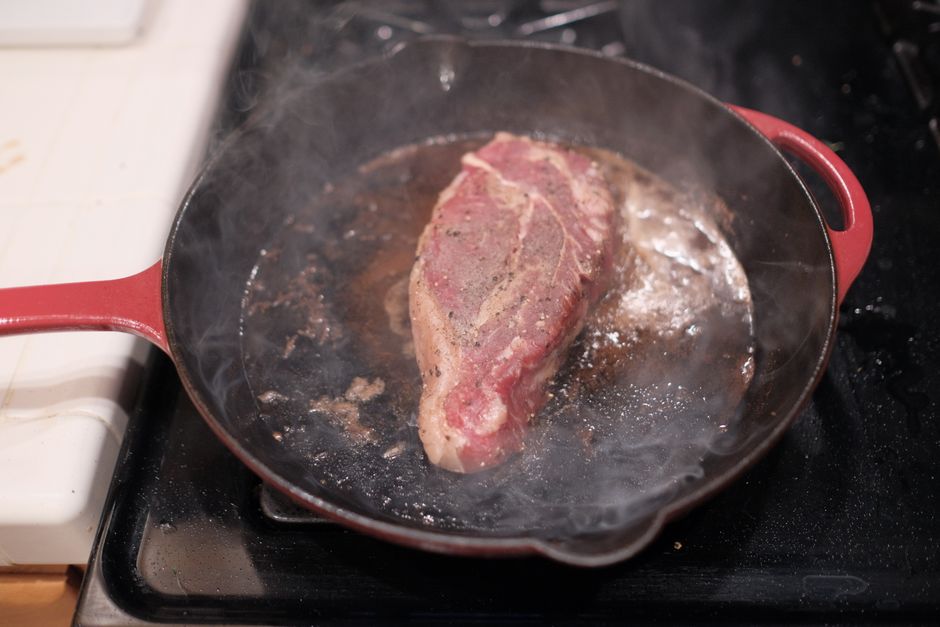
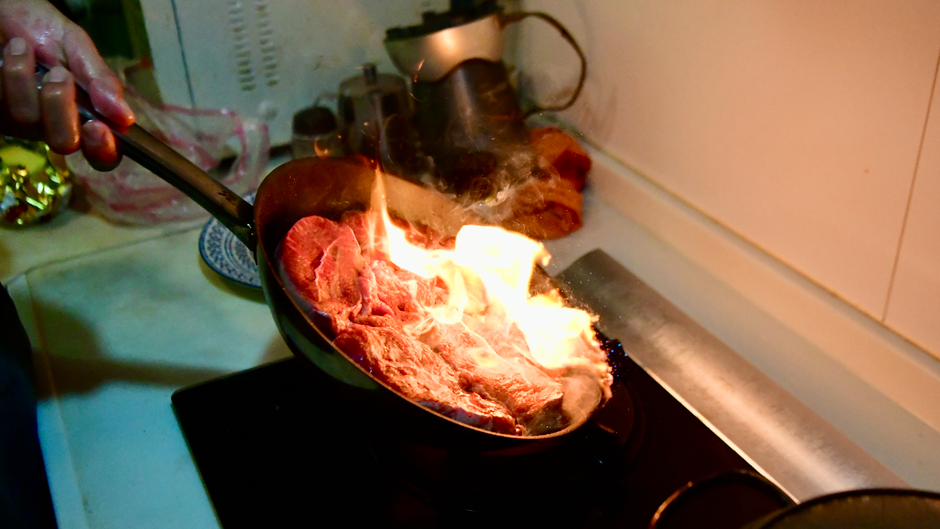
Achieving optimal browning requires sufficient heat and a relatively dry surface. Moisture is the enemy of the Maillard reaction because water boils at 100°C (212°F) and prevents the surface temperature from rising above that until all the moisture has evaporated. Therefore, patting the meat dry with paper towels before searing is a common practice. Additionally, using a pan that can maintain high heat, such as cast iron or stainless steel, is crucial. The application of oil with a high smoke point helps ensure even heat transfer and prevents sticking.
Why High Heat Matters
High heat is not just about speeding up the cooking process; it is a critical factor in the Maillard reaction. The rate of the reaction increases exponentially with temperature. At lower temperatures, such as those used for slow cooking or simmering, the Maillard reaction proceeds slowly or not at all, resulting in a pale, steamed exterior. To achieve a rich crust, the surface temperature must exceed 140°C (285°F) and ideally reach 150-180°C (300-350°F). This is why a screaming-hot pan is essential for a good sear.
However, extremely high temperatures can also cause burning, which produces off-flavors and potentially harmful compounds. Therefore, it is important to find the right balance. The heat must be high enough to trigger the Maillard reaction quickly, but not so high that the surface becomes charred before the interior reaches the desired doneness. This is particularly important for thick cuts of meat, where the interior may still be rare while the exterior is already at risk of burning.
Technique plays a role in managing heat. One common method is the reverse sear, where the meat is first cooked slowly in a low oven to bring it close to the desired internal temperature, and then finished in a hot pan to develop a crust. This approach minimizes the time the meat spends in the pan, reducing the risk of overcooking the interior. Another technique is to frequently flip the meat during searing, which promotes more even browning and reduces the chance of burning. These methods illustrate how understanding the science can inform practical choices.
Beyond the Maillard Reaction: Flavor Development
While the Maillard reaction is the primary driver of crust formation and savory flavor, other processes also contribute. One important process is the caramelization of sugars. While the Maillard reaction involves sugars and amino acids, caramelization involves only sugars and typically requires higher temperatures (around 160°C or above). In seared meat, caramelization of naturally occurring carbohydrates may add subtle sweet notes, but the Maillard reaction is more significant due to the presence of proteins.
Another contributor is the breakdown of fats and lipids, which produces volatile compounds that contribute to aroma and taste. When fat renders and comes into contact with high heat, it can produce compounds like aldehydes and ketones, which add complexity. Additionally, the interaction between the meat and the pan’s surface creates a fond, the browned residue stuck to the pan, which is often used to make pan sauces. Deglazing the pan with liquid dissolves the fond, incorporating it into the sauce, thereby capturing the full flavor of the sear.
It is also worth noting that umami, the savory taste, is enhanced through these reactions. The Maillard reaction can create compounds that activate umami receptors, making the food taste more savory and satisfying. Enzymatic breakdown during aging can also increase the availability of amino acids and sugars, which means that well-aged steaks may develop a richer crust. However, the specific outcome depends on many factors, including the cut, the animal’s diet, and processing, so the result is not guaranteed but rather a result of a complex interplay of variables.
Practical Considerations in Searing
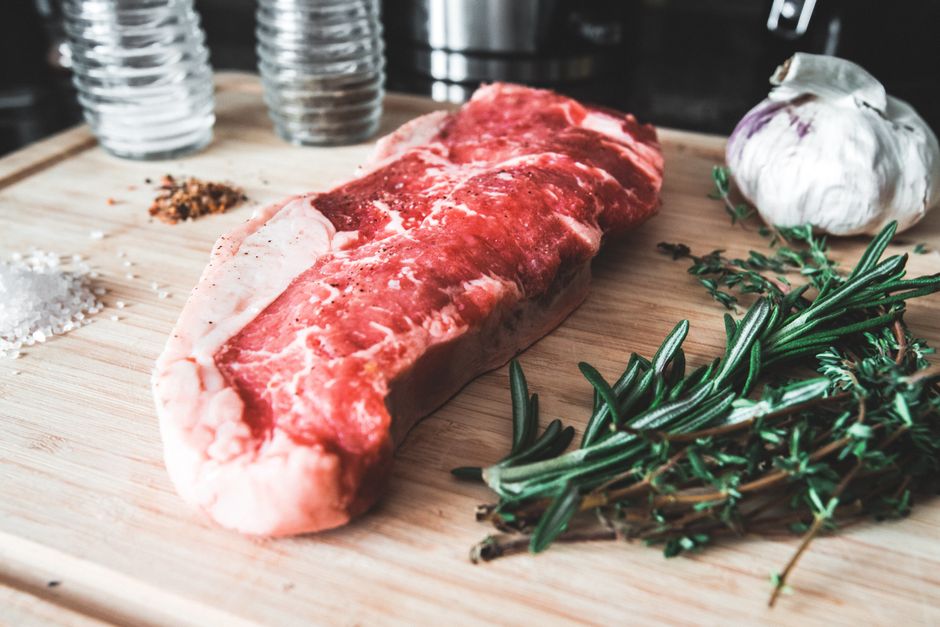
To achieve a good sear, several practical factors need to be considered. First, selecting the right cut matters. Cuts with moderate fat content, such as ribeye or strip steak, tend to sear well and remain moist. Leaner cuts, such as filet mignon, may become dry if seared for too long, so a faster method like pan-searing or a reverse sear is often preferred. The thickness of the cut also influences the cooking time and the risk of overcooking.
Preheating the pan is essential. A heavy-bottomed pan, such as cast iron or stainless steel, retains heat better and provides more even cooking. Preheating for several minutes over medium-high to high heat ensures that the pan is hot enough. Adding a small amount of high-smoke-point oil, like canola or avocado oil, helps with heat transfer and prevents sticking. Seasoning the meat with salt and pepper before searing not only adds flavor but also can help draw moisture to the surface, which then evaporates, promoting browning. However, salting too early can draw out excessive moisture, so timing is a matter of preference and technique.
During searing, it is important to avoid overcrowding the pan. If the pan is too crowded, the meat will release steam and lower the temperature, resulting in steaming rather than browning. Leaving space between the pieces allows for even cooking. Once the meat is placed in the pan, it should not be moved too frequently; allowing it to make contact with the hot surface for a period of time without disturbance encourages browning. Turning the meat only when it easily releases from the pan is a good rule of thumb.
The Role of Fat and Basting
Fat plays a multifaceted role in searing. Besides contributing flavor, fat acts as a medium for heat transfer. The fat from the meat or added oil helps to conduct heat evenly across the surface. Additionally, basting the meat with hot fat during searing can help cook the upper surface and distribute heat more uniformly, which is particularly useful for thicker cuts. This technique involves tilting the pan, using a spoon to gather the hot fat, and pouring it over the meat repeatedly.
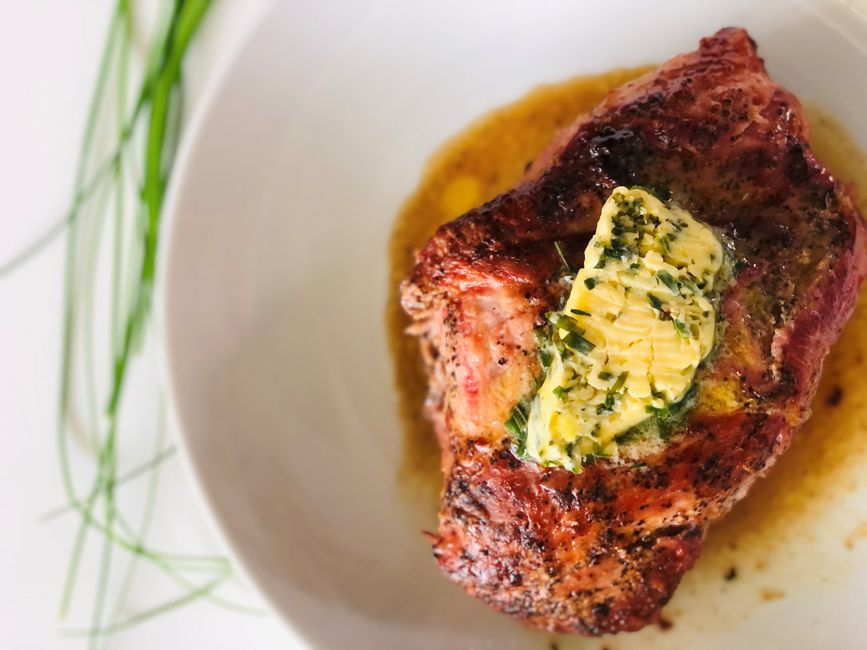
Basting also introduces more flavor, as the fat picks up browned bits from the pan and may contain herbs, garlic, or butter added to the pan. Butter, for example, contains milk solids that brown quickly, adding a nutty flavor. Basting can help achieve a more even crust and a more succulent result. However, it is important to manage the temperature, as butter can burn if the pan is too hot. Clarified butter has a higher smoke point and is an option for higher-heat basting.
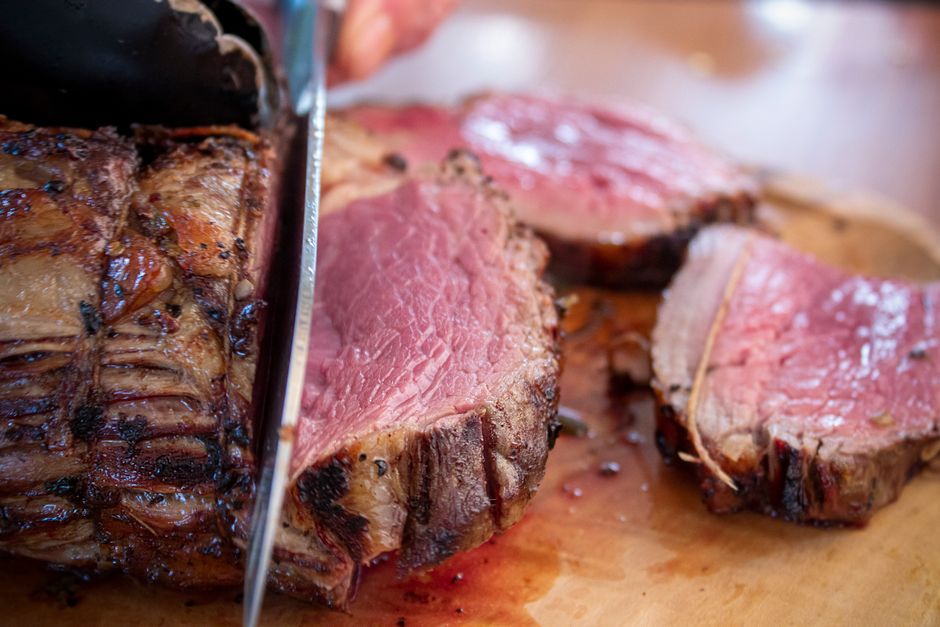
After searing, resting the meat is a crucial step that is often overlooked. During cooking, muscle fibers contract, and juices are pushed toward the center. Resting allows the juices to redistribute throughout the meat, resulting in a juicier final product. The recommended resting time varies, but about five minutes for a typical steak is common. During this time, the crust may soften slightly, but it retains its flavor and texture.
The Maillard reaction is a beautiful example of chemistry in the kitchen. By controlling heat and technique, cooks can influence the development of flavors and textures, but the outcome is always dependent on a host of variables beyond simple control.
Variables That Affect the Crust
No single factor determines the quality of a sear; rather, multiple variables interplay to produce the final result. The pH level of the meat can affect the Maillard reaction, with slightly acidic conditions favoring the reaction. For this reason, some recipes suggest brushing meat with vinegar or lemon juice before searing, though this can also introduce moisture. The type of seasoning also plays a role, as certain salts and sugars can influence moisture retention and browning. Many spice blends contain sugars that can help promote browning, but they may also burn if exposed to high heat for too long.
The composition of the meat itself is crucial. The amount of fat and the presence of proteins vary between cuts and animals. Grass-fed beef, for example, has a different fatty acid profile than grain-fed beef and may behave differently when seared. Similarly, the age or aging of the meat can affect moisture content and enzyme activity, potentially influencing the Maillard reaction. Even the thickness and shape of the meat can affect how heat distributes, as thicker parts may require different cooking times than thinner parts.
The pan material also matters. Cast iron and carbon steel are excellent conductors and retain heat well, which helps achieve a consistent sear. Stainless steel can also work but may require more oil to prevent sticking. Non-stick pans are not ideal for high-heat searing because they are typically not designed for temperatures above 260°C (500°F) and may release harmful fumes. The presence of a grill or grate can also affect the sear, as grill marks come from areas of direct contact and may not provide an even crust. Ultimately, understanding these variables allows cooks to predict and adjust their techniques to achieve their desired outcome.
Common Myths and Misconceptions
Several misconceptions about searing persist. One common myth is that searing seals in juices. While searing creates a crust, it does not create an impermeable barrier. The crust does slow moisture loss, but studies have shown that seared meat loses about the same amount of moisture as unseared meat during cooking. The primary benefit of searing is flavor and texture, not juiciness. In fact, cooking meat to the correct internal temperature and allowing it to rest is what ensures juiciness.
Another myth is that a high flame is always better. While high heat is necessary, the actual temperature at the pan surface is what matters. A pan can get very hot on a medium-high setting, especially if it is preheated well. Relying on a high flame can cause the pan to get too hot and burn the meat before it is cooked internally. It is more important to control the heat and use techniques like flipping or the reverse sear to balance cooking and browning.
Some believe that salt should be added only at the end to enhance flavor, but salting before searing can actually help produce a better crust. Salt draws out moisture initially, but as the surface dries, the salt is absorbed and enhances seasoning. The timing and amount are matters of personal preference and technique. Another myth is that a non-stick pan can achieve a good sear, but because non-stick pans cannot reach very high temperatures safely, they are not ideal. The crust may be less developed, and the pan may not produce the same fond that is useful for sauces.
Conclusion
In summary, searing is a process that involves a complex series of chemical reactions, the most notable being the Maillard reaction, which is responsible for the savory crust and enhanced flavor. High heat, a dry surface, and a suitable pan are key elements to promote browning. Beyond the Maillard reaction, other processes like caramelization and fat breakdown contribute to the final flavor. Practically, cooks can control outcomes by selecting appropriate cuts, preheating properly, managing moisture, and using techniques such as basting and resting.
The art of cooking is indeed scientific, and understanding these principles allows for greater control, but it is important to recognize that the final outcome is influenced by a range of variables, many of which are difficult to fully control. Therefore, while mastering searing can lead to a tasty crust, it does not guarantee a perfect result. Rather, it is a craft that involves observation, adjustment, and experience. As with any culinary endeavor, the journey of tasting and learning is part of the pleasure. By focusing on methodology and context, rather than definitive outcomes, cooks can continue to refine their skills and appreciate the nuanced science behind every sear.